In today’s textured hair market, one thing is clear—clients are no longer just asking for locs, they’re asking for precision, longevity, and low-maintenance solutions. That’s exactly why interlocking dreads have become a preferred technique for many stylists and salons.
But here’s the reality:
Installing locs is only half the job. The real value lies in Interlocking Dreads and Locs Care.
If you’re a salon owner, wholesaler, or hair brand, understanding how to properly maintain interlocked locs isn’t just helpful—it’s a competitive advantage. It affects your results, your reputation, and your repeat business.
Let’s break it all down in a practical, professional, and business-focused way.
What Is Interlocking in Dreads and Locs?
A Simple Explanation
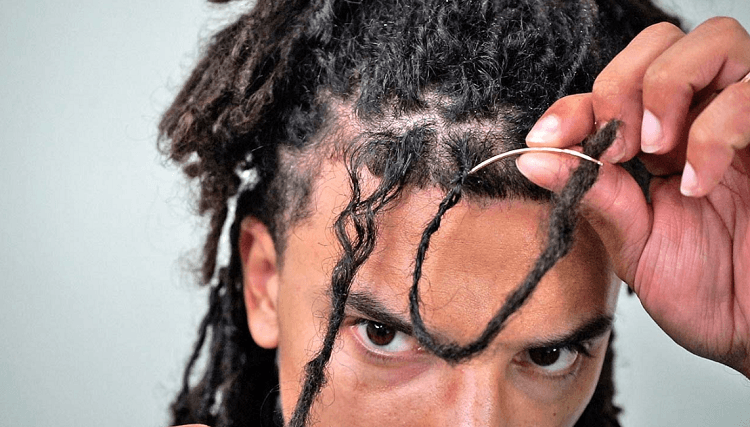
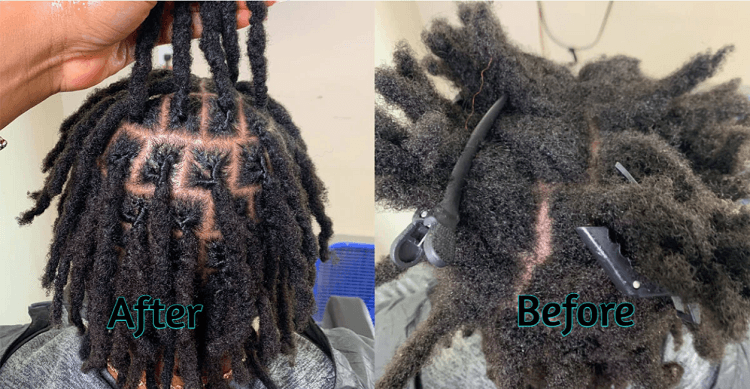
Interlocking is a maintenance technique where the ends of the loc are pulled through the root to tighten new growth.
Unlike twisting, interlocking:
- Locks the hair from the inside
- Creates a more secure structure
- Works well with various hair types
👉 Key takeaway:
Interlocking provides a long-lasting, low-maintenance foundation for locs.
Why Interlocking Dreads Are So Popular
More clients are choosing interlocking dreads because:
- They last longer between maintenance sessions
- They resist unraveling
- They are ideal for active lifestyles
For businesses, this means:
- Higher client retention
- More structured service offerings
👉 Key takeaway:
Interlocking is both a technical method and a business opportunity.
Why Proper Interlocking Dreads and Locs Care Matters
The Impact on Longevity and Appearance
Without proper Interlocking Dreads and Locs Care, even the best installation can fail.
Poor maintenance can lead to:
- Breakage
- Thinning roots
- Uneven loc structure
How Care Affects Your Business
For professionals, maintenance quality directly impacts:
- Client satisfaction
- Reviews and referrals
- Product performance
👉 Key takeaway:
Good care practices protect both the hair and your brand reputation.
How to Care for Interlocking Dreads and Locs
1. Keep the Scalp Clean
Clean scalp = healthy locs.
Best Practices:
- Wash every 2–3 weeks
- Use residue-free shampoo
- Focus on scalp, not just locs
👉 Key takeaway:
Cleanliness prevents buildup and supports healthy growth.
2. Moisturize Without Overloading
Locs need hydration—but not heavy products.
Use:
- Light oils
- Water-based sprays
Avoid:
- Heavy creams
- Greasy buildup
👉 Key takeaway:
Moisture balance is critical in Interlocking Dreads and Locs Care.
3. Protect Locs During Sleep
Friction is a silent enemy.
Use:
- Satin or silk bonnets
- Satin pillowcases
👉 Key takeaway:
Protection reduces frizz and breakage.
4. Maintain a Retightening Schedule
Consistency is key.
Recommended:
- Every 6–8 weeks
Over-interlocking can weaken roots.
👉 Key takeaway:
Balance maintenance frequency to avoid damage.
What Hair Works Best for Interlocking Dreads?
Why Afro Kinky Human Hair Is Ideal
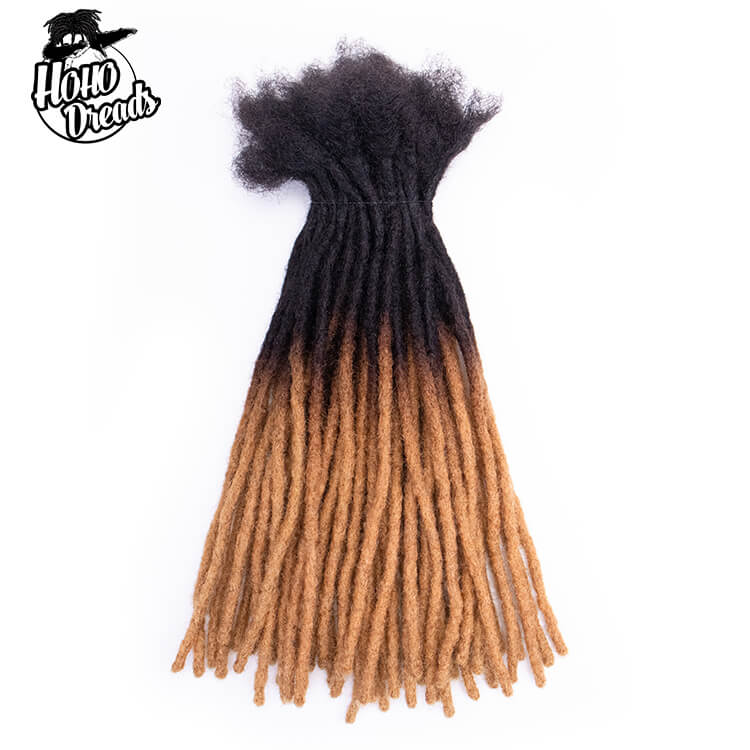
When working with dreadlocks extensions, especially for interlocking, hair quality matters.
Afro kinky human hair offers:
- Strong grip for locking
- Natural texture compatibility
- Long-lasting durability
Why Professionals Choose High-Quality Hair
Low-quality hair leads to:
- Slippage
- Frizz
- Short lifespan
That’s why many stylists source from suppliers like hohodreads, known for providing consistent afro-textured hair for locs and extensions.
👉 Key takeaway:
Your results depend heavily on your raw materials.
How Dreadlocks Extensions Affect Interlocking Care
Working with Extensions
When using dreadlocks extensions, care becomes even more important.
You need to:
- Ensure proper attachment
- Avoid excessive tension
- Maintain both natural hair and extension
Common Challenges with Extensions
- Mismatched texture
- Weak attachment points
- Poor-quality hair
Using reliable suppliers like hohodreads helps minimize these issues.
👉 Key takeaway:
Extensions require extra attention and high-quality materials.
Interlocking vs Twisting: Which Is Better for Maintenance?
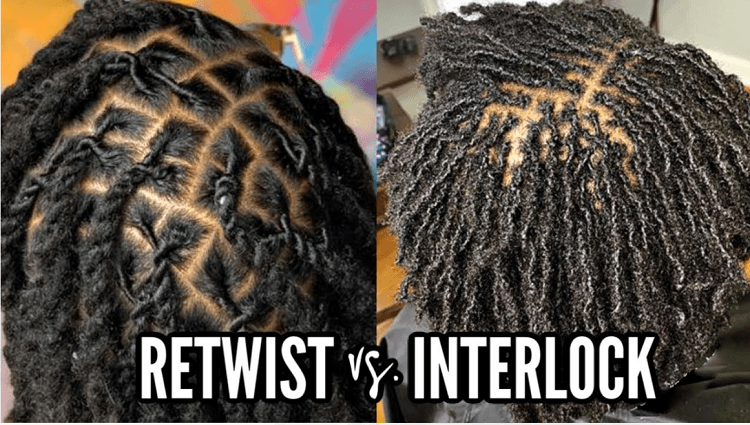
Interlocking
Pros:
- Longer-lasting
- Less unraveling
- Cleaner look
Twisting
Pros:
- Softer appearance
- Less tension on scalp
👉 Key takeaway:
Interlocking is better for durability; twisting is better for flexibility.
Common Mistakes in Interlocking Dreads and Locs Care
1. Over-Interlocking
Too much tightening can:
- Weaken roots
- Cause thinning
2. Using Heavy Products
Leads to buildup and dull locs.
3. Ignoring Hair Quality
Low-quality hair compromises the entire style.
4. Skipping Maintenance
Results in uneven growth and messy appearance.
👉 Key takeaway:
Avoiding these mistakes ensures long-term success.
How to Maintain Interlocking Dreads for Clients (Salon Tips)
Create a Maintenance Routine
Offer clients:
- Scheduled retightening
- Recommended products
- Aftercare instructions
Educate Your Clients
Explain:
- Washing frequency
- Moisturizing techniques
- Protective habits
Use Professional-Grade Materials
Working with suppliers like hohodreads ensures:
- Consistent results
- Better client satisfaction
👉 Key takeaway:
Education + quality materials = loyal clients.
Why Suppliers Matter in Locs Care
The Role of Hair Quality in Maintenance
Even the best care routine won’t fix poor hair quality.
You need:
- Strong strands
- Natural texture
- Reliable sourcing
Why Many Businesses Choose Hohodreads
Hohodreads provides:
- Afro kinky human hair
- Bulk supply for salons
- Materials for dreadlocks extensions
This makes it easier for businesses to maintain consistent service quality.
👉 Key takeaway:
A reliable supplier is part of your maintenance strategy.
How to Scale Your Locs Business with Proper Care Solutions
Offer Full-Service Packages
Include:
- Installation
- Maintenance
- Product recommendations
Build Trust Through Results
Clients stay when they see:
- Healthy locs
- Consistent appearance
Partner with the Right Supplier
Using hohodreads helps ensure:
- Quality control
- Long-term growth
👉 Key takeaway:
Care services create recurring revenue.
Conclusion
Interlocking Dreads and Locs Care is not just about maintaining hair—it’s about maintaining standards.
Here’s what matters most:
- Clean, hydrated scalp
- Proper retightening schedule
- High-quality afro kinky human hair
- Reliable suppliers like hohodreads
If you get these right, everything else becomes easier—better results, happier clients, and a stronger business.
In today’s competitive market, care isn’t optional. It’s your edge.
FAQs
1. What is interlocking in dreadlocks?
Interlocking is a technique where the loc is tightened by pulling the hair through the root, creating a secure structure.
2. How often should you interlock dreads?
Typically every 6–8 weeks, depending on hair growth and condition.
3. Is afro kinky human hair good for loc extensions?
Yes, it provides natural texture, strong hold, and long-lasting results.
4. Can interlocking damage locs?
Yes, if done too frequently or too tightly, it can cause thinning and breakage.
5. Where can I buy quality hair for dreadlocks extensions?
You can source high-quality hair from suppliers like hohodreads, which specialize in textured human hair.