Locs have evolved far beyond a traditional hairstyle. Today, dreadlocks are worn globally by people embracing natural textures, protective styling, and cultural expression. From starter locs and traditional dreadlocks to micro locs, sisterlocks, and dreadlock extensions, the loc industry continues to expand rapidly.
As this trend grows, one question constantly appears in salons, online forums, and search engines:
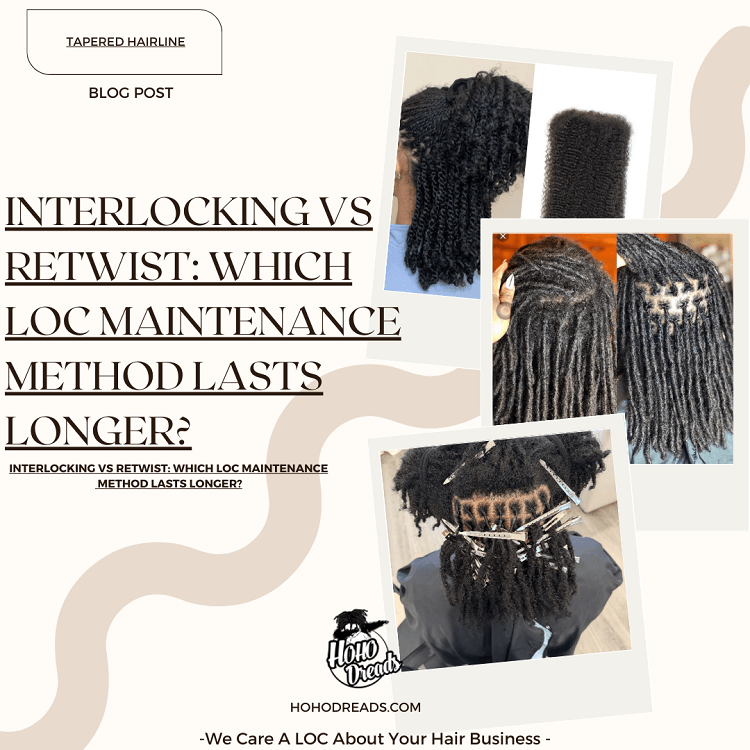
Interlocking vs Retwist — which loc maintenance method lasts longer?
For professional locticians, salon owners, and hair businesses, understanding the difference between these two techniques is critical. The method used to maintain locs affects:
the durability of the hairstyle
scalp health
styling flexibility
maintenance frequency
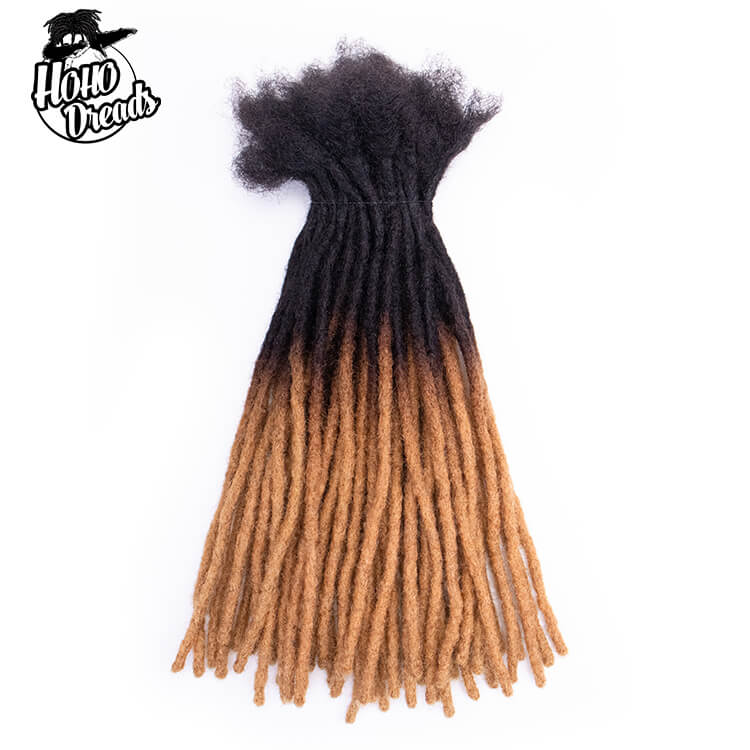
It also influences how well dreadlock extensions made with materials like afro kinky bulk hair hold over time.
In this guide, we’ll break down the real differences between Interlocking vs Retwist, explain when each method works best, and explore how salons choose the right technique for their clients.
What Is Loc Maintenance and Why Does It Matter?
Key takeaway: Loc maintenance keeps dreadlocks structured, healthy, and long-lasting.
Loc maintenance refers to the process of managing new hair growth at the base of dreadlocks. As natural hair grows, the roots loosen and must be tightened to maintain the shape of the loc.
Without proper maintenance:
locs may unravel
roots become messy
locs can combine unintentionally
styles lose definition
Professional maintenance helps keep locs neat and stable.
The two most widely used techniques are:
Retwisting
Interlocking
This is why the debate around Interlocking vs Retwist has become one of the most common questions in the loc industry.
What Is Retwisting?
Key takeaway: Retwisting is the traditional method used to maintain loc roots.
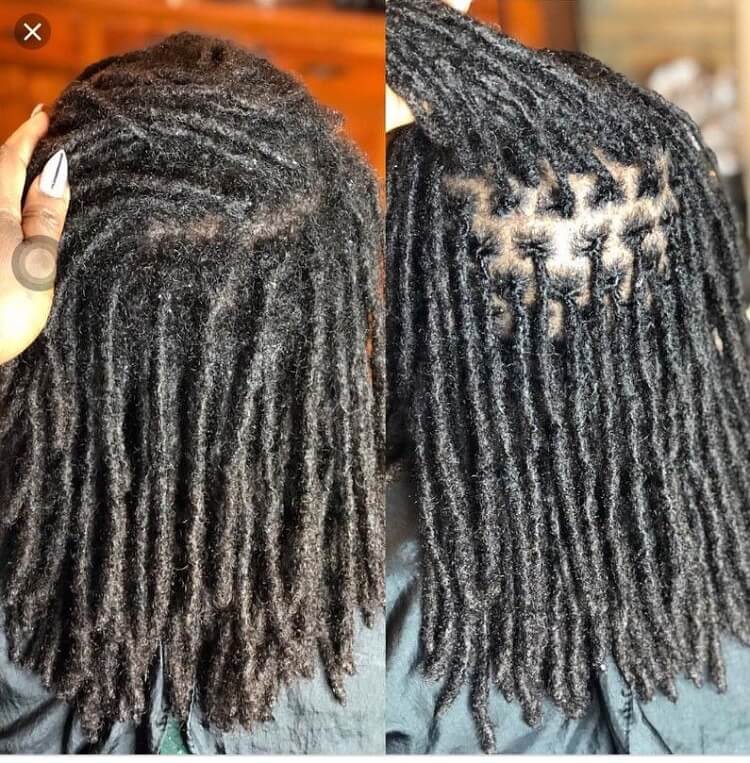
Retwisting is the most common technique used to maintain dreadlocks. It involves twisting the new hair growth at the base of the loc in the same direction as the loc itself.
Stylists often apply:
locking gel
natural oils
holding cream
to help the roots stay twisted while drying.
How Retwisting Is Done
The process typically includes:
Washing the locs
Separating each loc section
Twisting the new growth
Securing with clips
Drying under a hood dryer
Retwisting creates a clean, smooth root appearance that many clients prefer.
However, when comparing Interlocking vs Retwist, retwisting generally requires more frequent maintenance.
What Is Interlocking?
Key takeaway: Interlocking secures loc roots by looping the loc through the new growth.
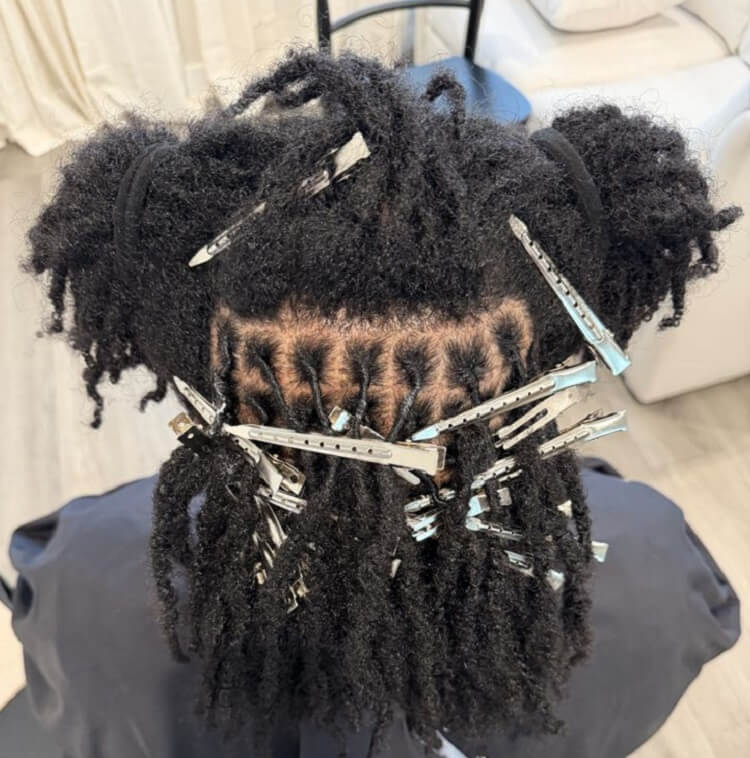
Interlocking is a technique that tightens loc roots using a tool or fingers. Instead of twisting the hair, the stylist pulls the loc through the root in a specific pattern.
This creates a knot-like structure that locks the hair in place.
How Interlocking Works
The stylist:
separates the loc section
inserts a loc tool through the root
pulls the loc through the root
repeats the process in multiple directions
Because of this structure, interlocking holds much longer than retwisting.
This is why Interlocking vs Retwist comparisons often focus on durability.
Interlocking vs Retwist: Key Differences
Key takeaway: Interlocking lasts longer, while retwisting provides a softer look.
Below is a simple comparison.
Retwist
Pros:
traditional technique
natural root appearance
easier for beginner stylists
Cons:
loosens faster
affected by humidity
frequent maintenance required
Interlocking
Pros:
long-lasting hold
resistant to moisture
ideal for small loc sizes
Cons:
requires training
excessive use may cause thinning
Understanding these differences helps stylists recommend the right option when discussing Interlocking vs Retwist with clients.
Which Method Lasts Longer?
Key takeaway: Interlocking usually lasts longer between maintenance sessions.
One of the main reasons people search Interlocking vs Retwist is to determine which method lasts longer.
Generally:
Retwist lasts
about 2–4 weeks
Interlocking lasts
about 6–8 weeks
Retwists can loosen when:
exposed to humidity
washed frequently
exposed to sweat
Interlocking stays secure because the root is physically locked.
Which Method Is Better for Active Lifestyles?
Key takeaway: Interlocking is ideal for people who wash their hair frequently or exercise often.
Clients with active lifestyles often prefer interlocking.
For example:
athletes
swimmers
gym enthusiasts
Since retwisting loosens easily when wet, interlocking provides better durability.
This is another reason why Interlocking vs Retwist comparisons often favor interlocking for low-maintenance loc care.
Which Method Is Better for Starter Locs?
Key takeaway: Retwisting is usually better for starter locs.
Many locticians recommend retwisting when beginning the loc journey.
Reasons include:
less scalp tension
easier shaping during early loc formation
more natural development
Once locs mature, clients may switch to interlocking.
How Loc Extensions Affect Maintenance Choices
Key takeaway: Loc extensions require strong root maintenance techniques.
Loc extensions are increasingly popular in salons worldwide.
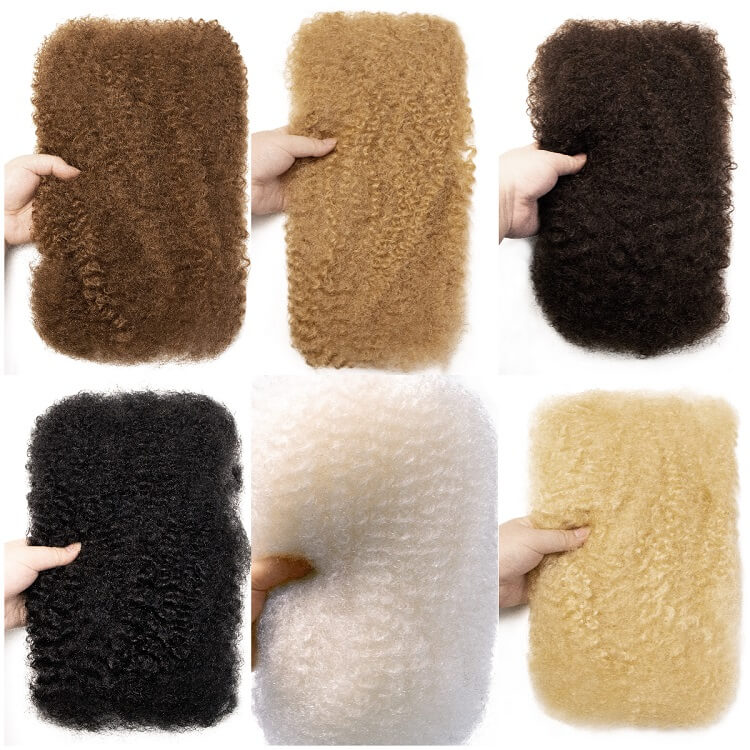
Stylists often create dreadlock extensions using afro kinky bulk hair because its texture closely resembles natural afro hair.
Maintenance techniques for loc extensions may include:
retwisting
interlocking
crochet root repair
When maintaining dreadlock extensions, many stylists combine techniques depending on the client’s hair texture.
Why Afro Kinky Bulk Hair Is Used for Loc Extensions
Key takeaway: Afro kinky bulk hair creates natural-looking dreadlock extensions.
When making loc extensions, stylists often choose afro kinky bulk hair because it blends naturally with textured hair.
Benefits include:
natural curl pattern
strong fiber structure
easy crochet installation
Professional stylists commonly use afro kinky bulk hair for:
handmade dreadlock extensions
crochet loc installations
loc repairs
The texture helps extensions look more realistic and durable.
Where Salons Source Afro Kinky Bulk Hair
Key takeaway: Professional salons often buy hair directly from manufacturers.
As the loc industry grows, more salons are sourcing materials directly from specialized hair manufacturers.
Reliable suppliers provide:
consistent hair texture
wholesale pricing
stable inventory
global shipping
For example, manufacturers such as hohodreads factory focus on producing textured hair materials used for loc styles.
Many salons choose suppliers like hohodreads factory because they specialize in:
afro kinky bulk hair
materials for dreadlock extensions
braiding and crochet hair
Working with experienced suppliers allows stylists to maintain consistent quality when offering loc services.
Why Hair Quality Matters for Loc Extensions
Key takeaway: High-quality hair improves durability and appearance.
The durability of loc extensions depends heavily on the quality of the hair used.
Low-quality hair may:
shed quickly
lose texture
fail to blend naturally
High-quality afro kinky bulk hair, such as the type produced by specialized suppliers like hohodreads factory, helps create extensions that last longer and maintain their natural appearance.
How Often Should Loc Maintenance Be Done?
Key takeaway: Maintenance schedules depend on the technique used.
Typical maintenance schedules include:
Retwist
every 3–4 weeks
Interlocking
every 6–8 weeks
This difference explains why many clients researching Interlocking vs Retwist want to know which method fits their lifestyle.
What Professional Locticians Recommend
Key takeaway: Most stylists use both techniques depending on the situation.
Experienced locticians rarely rely on only one method.
Instead, they consider:
hair texture
loc size
scalp sensitivity
lifestyle
For example:
Starter locs → retwist
Micro locs → interlocking
Active clients → interlocking
Understanding Interlocking vs Retwist allows stylists to choose the best method for each client.
The Growing Global Demand for Loc Styles
Key takeaway: The loc industry continues expanding worldwide.
Loc styles are becoming more mainstream across fashion, entertainment, and beauty industries.
As demand grows, so does the need for:
professional locticians
high-quality dreadlock extensions
reliable hair suppliers
Manufacturers such as hohodreads factory support this growing market by producing hair materials used by stylists and salons worldwide.
Conclusion
When comparing Interlocking vs Retwist, the best method depends on the client’s needs.
Interlocking lasts longer and works well for active lifestyles or small loc styles.
Retwisting offers a softer, traditional look and is often recommended for starter locs.
Many professional stylists combine both methods depending on the stage of the loc journey.
At the same time, the materials used for loc extensions are just as important as the maintenance method. High-quality afro kinky bulk hair helps create durable, natural-looking dreadlock extensions that clients can wear confidently.
As the loc industry continues growing, many salons rely on specialized suppliers such as hohodreads factory for textured hair materials designed specifically for loc styles.
Understanding both maintenance techniques and sourcing quality hair materials allows stylists to deliver better results and long-lasting loc styles.
FAQs
1. Which lasts longer: interlocking or retwist?
In most cases, interlocking lasts longer because the loc root is tightly secured through the hair.
2. Is retwist better for starter locs?
Yes. Retwisting is typically recommended for starter locs because it allows the loc pattern to form naturally.
3. What hair is best for dreadlock extensions?
Many stylists prefer afro kinky bulk hair because its texture blends naturally with afro-textured hair.
4. How often should locs be maintained?
Retwists are usually done every 3–4 weeks, while interlocking can last 6–8 weeks.
5. Where can salons buy afro kinky bulk hair?
Many salons source textured hair materials from specialized suppliers and manufacturers such as hohodreads factory.